How LightForce Braces Work, From Digital Scan to Custom Bracket
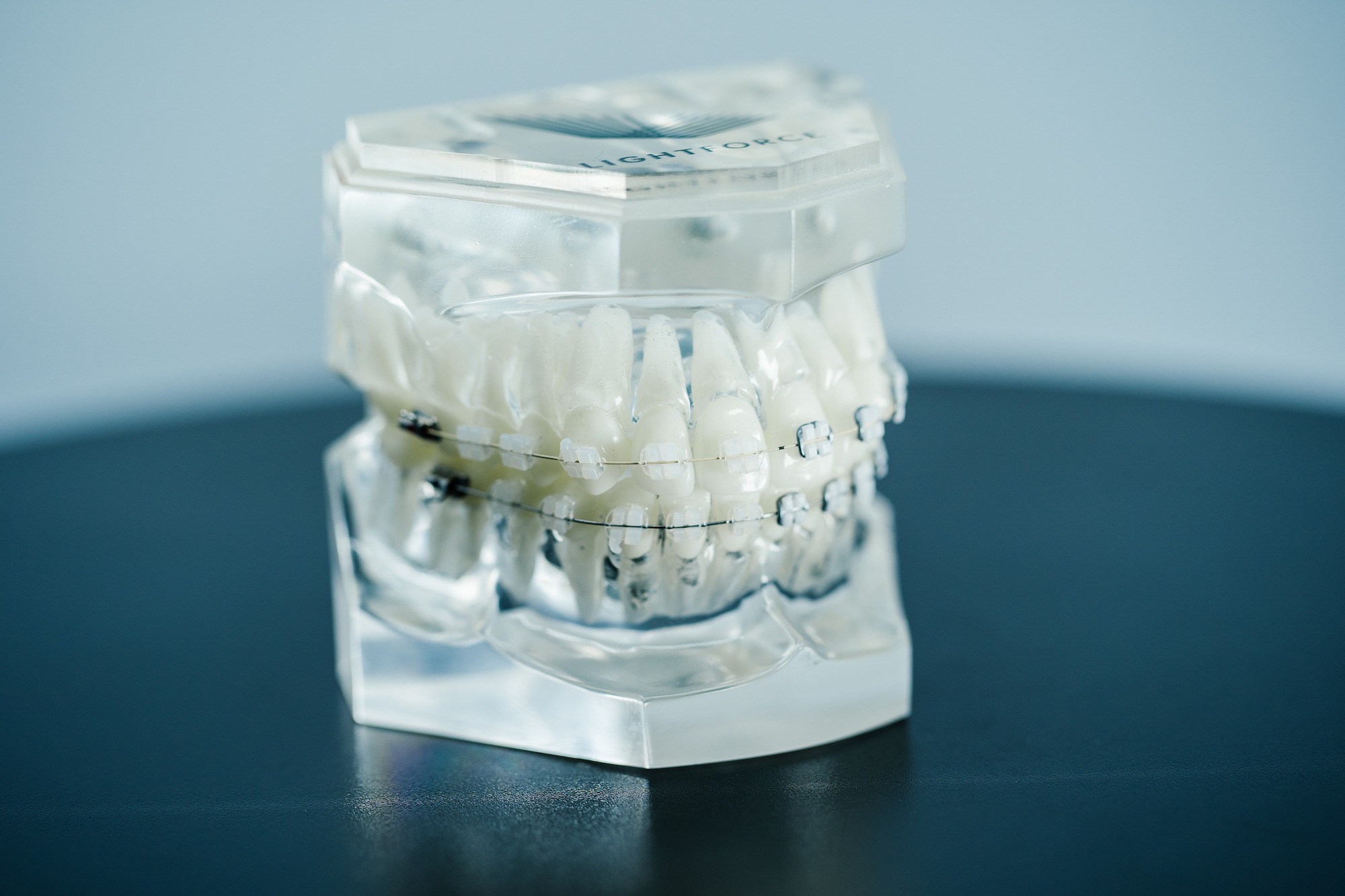
LightForce braces are fully customized, 3D-printed ceramic brackets designed for each individual tooth. Here’s how LightForce braces work, from digital scan to custom bracket: your orthodontist takes a 3D scan, designs your finished tooth positions digitally, and each bracket is printed to match the exact contour of the tooth it bonds to.
What Are LightForce Braces?
That last part matters more than it sounds. Standard brackets come out of a box in a handful of stock shapes, so they never sit perfectly flat against every tooth. Orthodontists compensate by bending wires and adding adjustments at the chair, visit after visit.
LightForce flips that order. The finished smile gets designed first, on screen, and then the hardware gets built to deliver it.
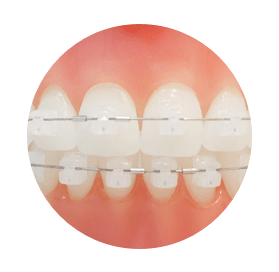
The brackets themselves are made from polycrystalline alumina ceramic, a tooth-colored material that blends with enamel instead of standing out against it. They sit low against the tooth surface, which most people notice right away in photos and in the mirror.
Weissman Orthodontics in Birmingham is a certified LightForce Provider, and Dr. Sherri Weissman reviews and approves every digital plan before a single bracket is printed. Nothing gets ordered until the plan looks right.
How the LightForce Process Works: From Digital Scan to Custom Brackets
LightForce braces work in five steps: a 3D intraoral scan captures your teeth, Dr. Weissman designs your finished bite digitally, custom brackets are 3D printed for each tooth, indirect bonding trays place them all in one visit, and wire changes guide your teeth along the planned path. Most cases move from scan to bonding in a few weeks.
Here’s what each step looks like from your chair.
- Your digital scan. A small handheld wand photographs your teeth from every angle and builds a 3D model on screen in minutes. No trays of goop, no gagging, no re-dos.
- Your digital treatment plan. Dr. Weissman positions your teeth virtually to their ideal finished spots, then decides exactly where each bracket needs to sit to get them there. Torque, angle, and rotation are all built into the design before manufacturing starts.
- Bracket printing. Every bracket comes off the printer with a base that mirrors the curve of the specific tooth it belongs on. The bracket for your upper right canine won’t fit anywhere else in your mouth.
- Indirect bonding. Your brackets arrive pre-loaded in a custom tray. Instead of placing brackets one at a time by eye, we seat the tray and bond an entire arch at once, landing every bracket within a fraction of a millimeter of the planned position.
- Progress visits. Wires do the moving from here. You’ll come in every 4 to 8 weeks so we can change wires, check tracking, and confirm your teeth are following the plan.
The waiting period between your scan and your bonding visit is usually a few weeks while your brackets are manufactured and shipped. Plenty of Birmingham families use that window to finish up cleanings or sealants with their general dentist.
Here’s why that matters: precision at bonding pays off at the end. When brackets start in the right place, the finishing and detailing stage tends to go faster and require less improvising.
Key Benefits of Custom 3D-Printed Brackets
Custom brackets change how LightForce braces work at the mechanical level, and you feel the difference in a few practical ways. The short version: a lower-profile fit against your lips and cheeks, fewer wire bends at the chair, tooth-colored hardware that blends in, and often a more direct path to the finish. Here’s what that looks like week to week.
- Fewer wire bends. When the bracket geometry carries the prescription, wires don’t need as much hand-bending to compensate. Less chairside improvising, more predictable movement.
- Often a shorter overall treatment time. Because teeth start moving toward the planned finish from day one, many cases wrap up sooner than they would with stock brackets, though your exact timeline always depends on what your bite needs.
- Lower profile against your cheeks and lips. The brackets sit closer to the tooth, so there’s less bulk rubbing against soft tissue during the first couple of weeks.
- Tooth-colored hardware that blends in. Ceramic reads much closer to your enamel than steel does, which is why so many adults and older teens ask about LightForce clear braces specifically.
- Cleaner finishing. Detailing the last few millimeters of tooth position is where treatment often drags. Custom bracket placement gives Dr. Weissman a head start on that stage.
- Less chair time. Indirect bonding places a full arch at once, and better tracking means fewer emergency corrections between visits.
None of this replaces good habits. You still wear your elastics, brush around brackets carefully, and show up for visits. The technology just makes your effort count for more.
LightForce Braces vs. Modern Metal Braces
Both systems correct crowding, spacing, rotations, and bite issues. The real differences come down to how the brackets are made, how they look, and how much adjusting happens at the chair.
| LightForce braces | Modern metal braces | |
|---|---|---|
| Bracket fit | Custom base printed for each individual tooth | Stock shapes that fit most teeth approximately |
| Material | Polycrystalline alumina ceramic | Stainless steel |
| Appearance | Tooth-colored, blends with enamel | Silver, visible when you smile |
| Comfort | Lower profile against cheeks and lips | Smaller and smoother than braces of the past |
| Planning | Finished result designed digitally before bonding | Adjustments made chairside as treatment progresses |
| Visits | Often fewer adjustment visits | Regular adjustments every 4 to 8 weeks |
| Treatment time | Potential for a shorter course | Reliable, well-established timelines |
Metal braces are not the runner-up option here. They’re durable, proven, and they handle complex mechanics beautifully, which is why plenty of families choose them after hearing about both. Kids who play contact sports or who are hard on their hardware often do better with steel.
The honest answer is that the best system is the one that fits your case and how you want treatment to look. Dr. Weissman will show you both during your free consult at either of our Birmingham locations and tell you which one she’d pick for your teeth and why.
Who Is a Good Candidate for LightForce Braces?
The best candidates for LightForce braces are teens and adults with healthy teeth and gums who need crowding, spacing, rotations, or a bite corrected and would rather skip removable trays. LightForce works well for anyone who wants the reliability of fixed braces without the look of metal. If you like the idea of hardware that stays put and does its job without daily effort from you, this is a strong fit.
Good candidates typically include:
- Anyone with crowding, gaps, or rotated teeth. Custom brackets handle rotations especially well.
- Bite corrections. Overbite, underbite, and crossbite cases all respond to fixed braces with elastics.
- People who don’t want removable trays. Aligners only work when you wear them 20+ hours a day. Braces don’t ask that of you.
- Anyone with healthy teeth and gums. Cavities and gum inflammation should be handled by your general dentist before bonding day.
- Older teens and adults who care how treatment looks. Ceramic brackets photograph very differently than steel.
A few situations call for a conversation first. Severe skeletal discrepancies that need jaw surgery follow a different plan, and cases with heavy grinding or deep bite contact may need modified bracket placement.
Dr. Weissman is a board-certified orthodontist, and she has guided Birmingham teens and adults through every one of these scenarios more times than she can count.
If you play a wind instrument or a contact sport, bring it up at your visit. Wax, mouthguards, and small placement changes solve most of it, and Dr. Weissman has coached plenty of trumpet players and linebackers through braces.
Curious whether LightForce is right for your smile? Bring us your questions. Dr. Weissman is a member of the American Association of Orthodontists, and she’ll show you your scan and walk through your options side by side.
Both of our locations welcome kids, teens, and adults, and the consult is always free. Whether you land on LightForce braces, modern metal braces, champagne braces, or Invisalign, you’re one of the family now. Book your free consultation whenever you’re ready.
Frequently Asked Questions About LightForce Braces
Do LightForce braces work faster than metal braces?
Often, yes. Because bracket position and tooth angulation are planned digitally before bonding, teeth start moving toward their final positions from the first wire rather than after several rounds of chairside correction. Actual results depend on your case complexity and how consistently you wear your elastics.
Do the ceramic brackets stain or discolor?
The brackets themselves are made from polycrystalline alumina ceramic, which doesn’t absorb stain the way some older clear materials did. The clear elastic ties that hold your wire can pick up color from coffee, red sauce, and curry, but those get replaced at every visit. If staining bothers you, ask for a different tie option.
Are LightForce braces more comfortable than metal brackets?
Most people say yes, mainly because the brackets sit lower against the tooth and create less friction on the inside of the lips and cheeks. You’ll still feel soreness for a few days after bonding and after wire changes, which is normal and usually settles with over-the-counter pain relief and soft foods.
How long does treatment usually take?
Most cases run somewhere between 12 and 24 months, with simpler cases finishing sooner and complex bite corrections taking longer. Dr. Weissman gives you a specific estimate after reviewing your scan and X-rays, not a guess based on averages.
Can teens get LightForce braces?
Absolutely. Teens are one of the most common groups choosing LightForce, especially those who want something less noticeable but aren’t excited about keeping up with removable trays. Once the permanent teeth have come in, teens are typically ready to start.
How often are visits needed?
Plan on coming in every 4 to 8 weeks for wire changes and progress checks. Some visits are quick, others take a bit longer. If something breaks between visits, call us and we’ll get you in.