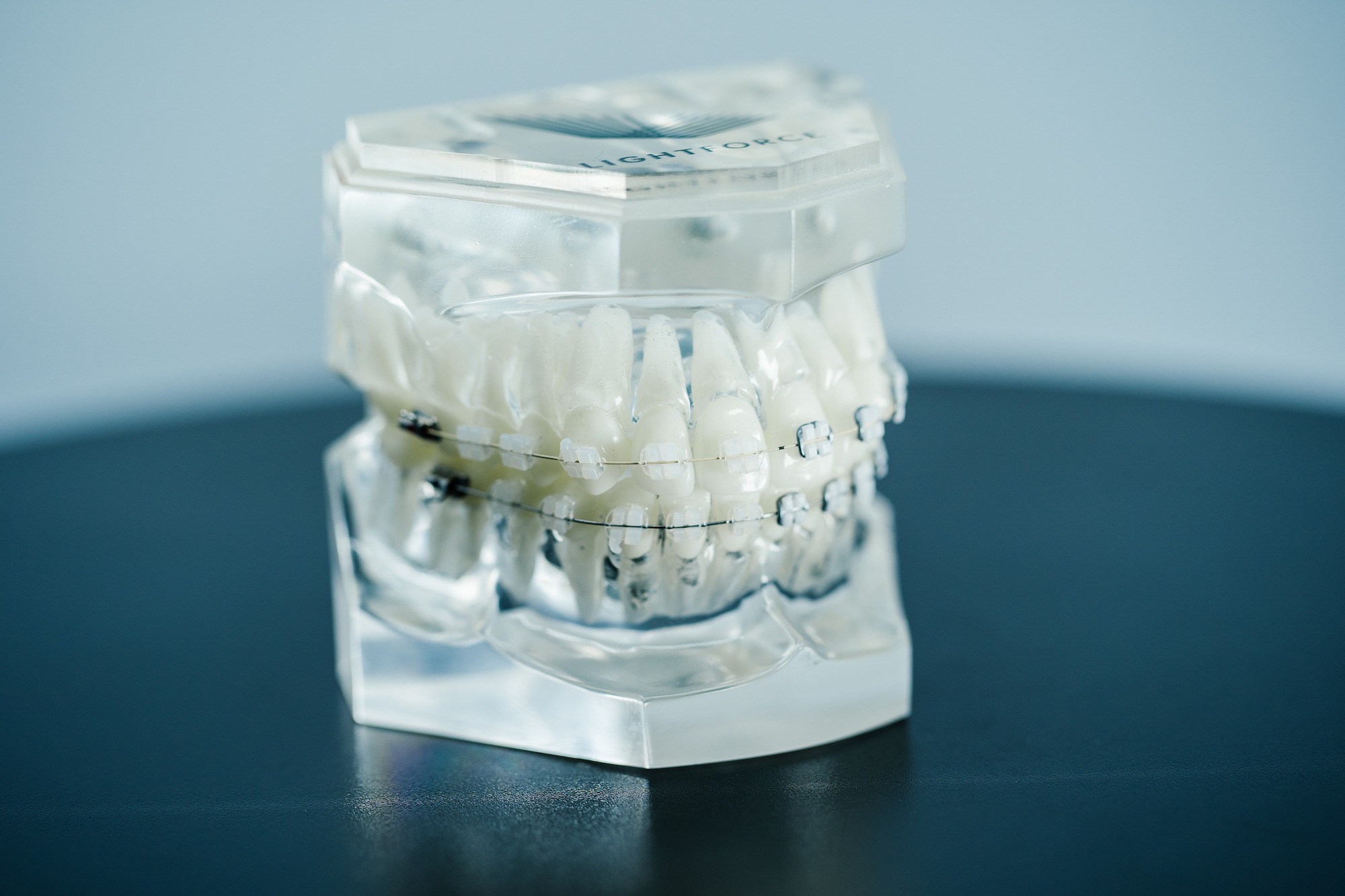

Retainers After Braces, How Long You Wear Them and Why It Matters
Retainers after braces raise two questions: how long you wear them, and why it matters. Both come down to one fact: teeth keep moving your whole life. A retainer holds your finished alignment steady while bone and gum tissue settle in. Most people wear one full-time for a few months, then nightly for good. At Weissman Orthodontics, retention gets treated as part of your smile rather than an afterthought, and the routine is simpler than most people expect once they know what to watch for. Here’s how the timeline works, what your choices are, and how to keep a retainer fitting the way it should for years.
What Is a Retainer and Why Do You Need One After Braces?
A retainer is a custom appliance, either removable or bonded behind your teeth, that holds your teeth in their finished position after braces or Invisalign. It keeps corrected alignment stable while bone and soft tissue adapt. Retention is the last phase of your smile, and it isn’t optional.
Here’s what’s happening under the surface. When teeth move, the periodontal ligaments and surrounding bone remodel around each new position. That remodeling takes time, often six to twelve months, before the tissue feels settled and stable.
During that window, your teeth are still a little loose in their sockets. Skip retention, and they’ll drift back toward where they started. Relapse can begin within weeks of your braces coming off, which surprises a lot of people.
Aging plays a role, too. Chewing forces, gum changes, and normal jaw growth nudge teeth throughout adulthood, even for people who never had braces at all. According to the American Association of Orthodontists, teeth can shift at any age, which is why retention counts as part of your care.
So think of your retainer as the thing that protects everything you just spent a year or two earning. It’s the small daily habit that keeps your results yours. Ten seconds at the sink, a case on the nightstand, and a little consistency at bedtime add up to a finished smile that still looks finished a decade from now.
How Long Do You Wear a Retainer After Braces?
Most people wear a retainer full-time, 20 to 22 hours a day, for the first three to six months after braces come off. After that, nightly wear becomes the long-term standard. Dr. Sherri Weissman, a board-certified orthodontist, sets your exact schedule based on how far your teeth moved and how they respond. Two people who finish treatment the same month can walk out with different instructions, and that’s normal, because retention gets planned around your bite instead of a calendar.
What Does a Typical Retention Timeline Look Like?
| Time After Braces | Typical Wear Schedule | What to Expect |
|---|---|---|
| Months 0 to 6 | Full-time, 20 to 22 hours per day | Remove only to eat, drink anything but water, brush, and floss |
| Months 6 to 12 | Every night during sleep | Teeth feel more settled; retainer should still slip on easily |
| Year 1 and beyond | Nightly, long term | Nightly wear stays the goal for most people |
Why Is “Indefinitely” the Modern Standard?
Orthodontics used to treat retention as a two-year assignment. Not anymore. Because teeth continue to shift with age, nighttime wear is now considered a lifelong habit, similar to flossing. A few minutes at bedtime protects results you worked hard for.
What Can Extend Your Full-Time Wear?
Some cases need a longer stretch of all-day retention:
- Severe crowding before treatment
- Teeth that were significantly rotated
- Extraction cases where spaces were closed
- Open bites or deep bites that required major correction
- Gaps between front teeth, which have a strong tendency to reopen
What Happens at Retainer Check Visits?
Your first few visits after debonding are short and simple. Dr. Weissman checks the fit, looks for early signs of shifting, inspects any bonded wire, and confirms your retainer isn’t cracked or warped. If your bite has settled in a new way, small adjustments now prevent bigger issues later.
Why Wearing Retainers After Braces Matters: Benefits of Consistent Retention
Consistent retention protects the alignment and bite correction you earned over 12 to 24 months of treatment. The payoff shows up in your appearance, your daily hygiene, and how long your results hold. Wearing retainers after braces is the difference between a result that holds for decades and one that quietly unravels while you’re busy with everything else.
- Keeps your alignment stable. Straight teeth stay straight because something holds them there, not because they decided to behave.
- Prevents retreatment. Relapse cases often need a second round of braces or Invisalign. Wearing a retainer is far easier than starting over.
- Makes brushing and flossing easier. Well-aligned teeth have fewer tight overlaps where plaque hides, which lowers your risk of decay and gum disease.
- Protects bite function. A stable bite spreads chewing forces evenly, reducing uneven enamel wear and strain on your jaw joints.
- Offsets age-related crowding. Lower front teeth are notorious for crowding over the years. Nightly retention pushes back against that natural drift.
- Protects the work you already did. Retention is how a finished result stays finished.
Types of Retainers Compared: Clear, Hawley, and Permanent
| Feature | Clear Thermoplastic (Essix, Vivera) | Hawley (Wire and Acrylic) | Fixed Lingual (Bonded Wire) |
|---|---|---|---|
| Visibility | Nearly invisible | Visible wire across front teeth | Hidden behind teeth |
| Durability | Moderate, wears down over time | Very durable, often lasts years | Long lasting with monitoring |
| Adjustability | Not adjustable | Adjustable by your orthodontist | Not adjustable |
| Hygiene | Easy to clean, must dry fully | Easy to clean | Requires floss threaders or a water flosser |
| Compliance needed | Yes | Yes | No, it’s always working |
| Typical replacement | Every 1 to 3 years with regular wear | Years with proper care | Repair or replace if the wire loosens |
How Do Clear Retainers Work?
These snap over your teeth like a thin, see-through shell. They’re the most popular choice because almost nobody notices them. The tradeoff is wear and tear. Grinding, biting habits, and normal use eventually cloud or thin the plastic, so plan on replacements over the years.
What Is a Hawley Retainer?
The classic design: an acrylic body against the palate or behind the lower teeth, with a wire across the front. They’re tough, repairable, and adjustable, which matters if a tooth needs a nudge. They feel bulkier at first and take a week or two to get used to.
How Do Permanent (Bonded) Retainers Work?
A thin wire bonded behind the lower front teeth, sometimes the uppers as well. No remembering, no cases, no losing it in a napkin. Cleaning takes a little extra effort with a floss threader or water flosser, and the bond should be checked at regular dental visits.
Can You Use Both Kinds Together?
A common setup is a bonded lower wire plus a removable upper retainer worn at night. You get around-the-clock protection where relapse is most likely and flexibility everywhere else. Dr. Weissman will recommend the combination that fits your case, your habits, and your schedule.
Retainer Care and Signs Your Teeth May Be Shifting
Good retainer care takes about 60 seconds a day, and it’s the habit our team at Weissman Orthodontics walks through with every family before braces come off. Here’s the routine that keeps yours clear, fresh, and fitting right.
How Do You Clean Your Retainer Every Day?
- Rinse it with cool water the moment you take it out.
- Brush it gently with a soft toothbrush and a drop of mild dish soap, not toothpaste, which scratches the plastic.
- Let it air dry before you snap the case shut.
- Soak it occasionally with a retainer cleaning tablet if it starts to smell or look dull.
Never use hot water. Heat warps thermoplastic retainers permanently, and a warped retainer doesn’t hold anything.
Which Storage Rules Protect Your Retainer?
- Always use your case. Napkins and pockets are the top two ways retainers disappear.
- Keep it away from dogs. Retainers are a favorite chew toy.
- Never leave it on a car dashboard, near a stove, or in the dishwasher.
What Are the Warning Signs Your Teeth Are Moving?
- Your retainer suddenly feels tight or sore to seat
- It won’t fully snap into place
- Old gaps are reopening
- Your teeth touch differently when you bite
- A bonded wire feels loose, sharp, or has come unglued from a tooth
What Should You Do If You’ve Stopped Wearing Yours?
Don’t force an old retainer back in. Pressure on teeth that have shifted can crack the retainer or move a tooth in the wrong direction. Bring it in and let Dr. Weissman check the fit first. Sometimes a fresh scan and a new retainer solves it. Sometimes a short round of Invisalign brings things back before a new retainer takes over.
Replace your retainer when you see cracks, cloudiness, warping, a loose fit, or a broken wire.
If your retainer stopped fitting a while back, or you’re not sure where yours even is, that’s a common place to start and an easy one to fix. Bring it to a free consultation at either of our Birmingham offices and we’ll tell you exactly where your teeth stand.
Frequently Asked Questions About Retainers After Braces
How long do I have to wear my retainer each day?
Plan on full-time wear, roughly 20 to 22 hours a day, for the first three to six months. You’ll take it out to eat, drink anything other than water, and clean your teeth. After that phase, you’ll move to nighttime wear, which stays the routine long term.
Can I ever stop wearing my retainer at night?
Most people need nightly wear indefinitely. Teeth shift with age no matter how well treatment went, so a few hours of retention each night is the simplest insurance available. Some people eventually drop to several nights a week, but that decision should come from your orthodontist, not a guess. Retainers after braces work the same way a seatbelt does: the value shows up over years, not on any single night.
What happens if I don’t wear my retainer for a week, a month, or a year?
A missed week usually means your retainer feels snug going back in. A missed month can leave it noticeably tight or hard to seat. After a year, teeth have often shifted enough that the old retainer no longer fits at all, and correcting the relapse may require new aligners or braces.
Do permanent retainers last forever?
No, but they last a long time. Bonded wires commonly stay put for many years when they’re checked at regular visits and cleaned well. Bonds can loosen from hard foods or normal chewing, so any rough spot or shifting tooth deserves a look.
Can a retainer move teeth back if they shifted?
Sometimes. Very minor shifts can settle back as a well-fitting retainer seats fully over a few nights. Larger relapse needs actual tooth movement, which means a short course of Invisalign or braces followed by a fresh retainer.
Is it normal for a retainer to feel tight or make my teeth ache?
A mild snug feeling after a night off is common and usually fades within a few minutes of wear. Ongoing soreness, pressure on one specific tooth, or a retainer that won’t seat all the way is a sign to have it checked rather than push through.
How often should I replace my clear retainer?
Clear retainers typically need replacing every one to three years, depending on how hard you are on them. Grinding, biting the plastic, and heat exposure shorten that. Cloudiness, cracks, thin spots, and a loose fit all mean it’s time. When the fit starts feeling off, Dr. Weissman would rather take a quick look and rescan than have you wait months while teeth drift, because a replacement retainer is always the easier path than repeating treatment.