
If your child’s smile is changing fast and you’re wondering when to act, you’re in the right place. Early orthodontic treatment for kids in Birmingham gives Dr. Sherri Weissman a chance to guide jaw growth and tooth position while everything is still developing. At Weissman Orthodontics, we help families decide whether a Phase 1 approach makes sense, or whether watchful waiting is the better call.
What Is Early Orthodontic Treatment?
Early orthodontic treatment, also called Phase 1 or interceptive orthodontics, is care provided to children between roughly ages 7 and 9 to guide jaw growth and tooth eruption before all permanent teeth come in. It’s different from full braces because the goal is correction of developing issues, not alignment of a complete adult smile.
The American Association of Orthodontists recommends that every child have a first orthodontic screening by age 7. At that age, enough permanent teeth have erupted for Dr. Weissman to spot bite problems, crowding, or jaw growth concerns while the bones are still flexible and responsive.
Many parents come to Weissman Orthodontics after a referral from their pediatric dentist. Others simply bring their child in for a free consultation to get peace of mind. Either way, an early evaluation doesn’t mean early treatment. Sometimes the best plan is to simply keep an eye on your child’s growth with regular checkups until the time is right.
How Phase 1 Treatment Works: From Evaluation to Retainers
Phase 1 care follows a clear, step-by-step path. Here’s what families can expect at Weissman Orthodontics, from the first visit through the retention stage.
Step 1: Age-7 Evaluation and Growth Assessment
Your child’s first visit is a free consultation. Dr. Sherri Weissman reviews your child’s dental development, jaw growth, and bite. If no treatment is needed yet, we’ll keep an eye on your child’s growth with regular checkups.
Step 2: Diagnostic Records and Treatment Planning
If Phase 1 is recommended, we gather diagnostic records. These may include digital X-rays, photos, and digital scans. Dr. Weissman uses this information to build a plan tailored to your child’s growth stage and goals.
Step 3: Active Phase 1 Appliance Therapy
Active treatment typically runs about 6 to 12 months. Depending on what your child needs, appliances may include:
- Palatal expanders to widen a narrow upper jaw
- Space maintainers to hold room for incoming permanent teeth
- Herbst appliances to help correct an underdeveloped lower jaw
- Headgear or facemasks for specific bite corrections
- Partial braces on a few front teeth when needed
Step 4: Resting Period
Once Phase 1 goals are met, your child enters a resting period while remaining baby teeth fall out and permanent teeth erupt. We’ll see your child for regular checkups to monitor progress.
Step 5: Phase 2 (If Needed)
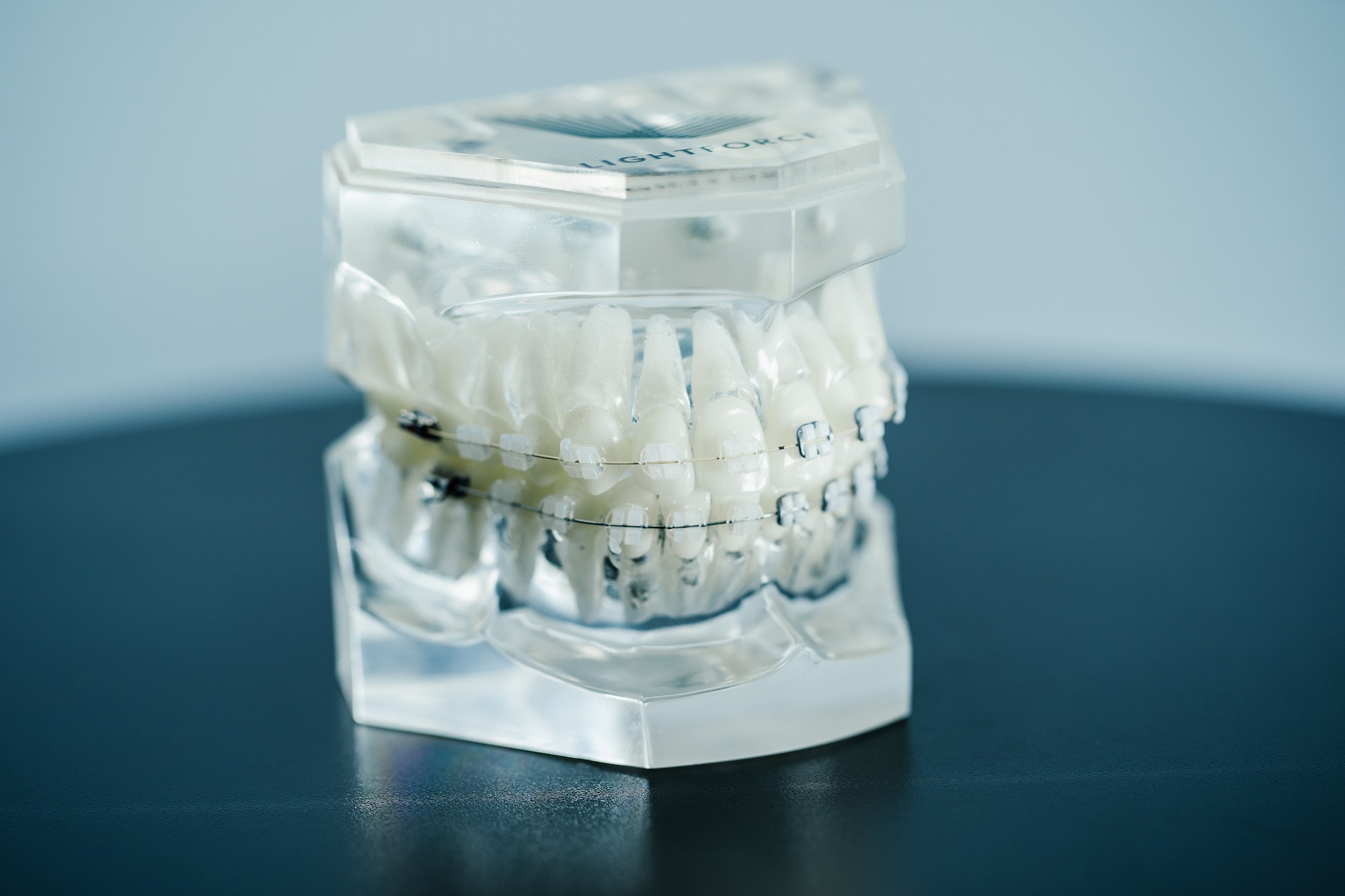
Around age 11 or 12, Dr. Weissman re-evaluates. If a second phase is needed, your child may move into modern metal braces, LightForce clear braces, or Invisalign to perfect the final alignment of all permanent teeth.
Benefits of Early Orthodontic Treatment for Kids
Phase 1 isn’t about rushing braces. It’s about using a short window of growth to make the rest of your child’s smile easier. Here’s what interceptive orthodontics can accomplish:
- Guides jaw growth to correct underbites, crossbites, open bites, and narrow dental arches while the bones are still forming
- Creates room for permanent teeth, which can reduce the need for extractions down the road
- Addresses harmful habits like thumb sucking, finger sucking, and tongue thrusting that can reshape developing teeth and jaws
- May improve airway and breathing, especially when a narrow upper jaw is contributing to mouth breathing or restless sleep
- Can help protect protruding front teeth from chips and fractures during sports and active play
- Can shorten or simplify Phase 2 treatment later, and in some cases eliminate the need for a second phase altogether
- Can support speech development when tongue placement or bite issues are affecting certain sounds
- Boosts confidence for kids who feel self-conscious about their smile before middle school
Because Dr. Weissman has served Birmingham families for nearly 30 years, she can tell the difference between a bite that will self-correct and one that truly benefits from early action. That’s the Weissman Orthodontics difference: thoughtful recommendations, not oversold treatment.
Phase 1 vs. Phase 2 Orthodontic Treatment: Key Differences
Not every child needs two phases. Many go straight to Phase 2 as a tween or teen. Here’s a quick comparison so you can see where your child might fit.
| Feature | Phase 1 (Interceptive) | Phase 2 (Comprehensive) |
|---|---|---|
| Typical age | 7 to 9 years | 11+ years |
| Dental stage | Mix of baby and permanent teeth | Mostly or all permanent teeth |
| Main goal | Guide jaw growth, create space, correct harmful habits | Align all permanent teeth and finalize the bite |
| Common appliances | Expanders, space maintainers, Herbst, partial braces, habit appliances | Full braces, LightForce clear braces, or Invisalign |
| Typical length | 6 to 12 months | 12 to 24 months |
| Followed by | Resting period, then re-evaluation | Retainers to hold results |
| Who needs it | Kids with crossbites, severe crowding, jaw growth issues, or habits | Most kids and teens who want a straight, healthy bite |
Here’s the key takeaway: Phase 1 is about intervention during growth. Phase 2 is about completion. Some kids need both. Many only need one. Dr. Weissman will tell you honestly which path fits your child.
Signs Your Child May Be a Candidate for Early Treatment
Watch for these common signs that an early orthodontic evaluation could benefit your child. If you check more than one, it’s worth booking a visit.
- Early or late loss of baby teeth (before age 5 or still hanging on past age 7)
- Difficulty chewing or biting certain foods, or a bite that feels off
- Mouth breathing or chronic snoring at night
- Thumb sucking or pacifier use past age 5
- Speech issues such as a lisp or trouble with specific sounds
- Crowded, overlapping, or protruding front teeth by age 7
- Crossbite where upper teeth sit inside the lower teeth
- Jaw shifting to one side when your child opens or closes
- Clicking or popping in the jaw joint
- Teeth that don’t meet when the back teeth are closed
A free screening at Weissman Orthodontics gives you clear answers. If treatment isn’t needed, we’ll say so and simply watch your child grow.
Frequently Asked Questions About Early Orthodontics
What’s the earliest age a child can get braces?
Most kids who need Phase 1 interceptive treatment start between ages 7 and 9, once a few permanent teeth have come in. Full braces usually wait until most permanent teeth have erupted, often around age 11 or 12. Dr. Weissman times treatment based on your child’s growth, not their birthday.
How early should a child see an orthodontist?
The American Association of Orthodontists recommends a first orthodontic screening by age 7. At this age, Dr. Weissman can spot bite and jaw issues early, even if treatment isn’t needed right away. The visit is free at Weissman Orthodontics, so there’s no reason to wait.
Why are kids getting braces so early now?
Advances in imaging and a better understanding of jaw growth let orthodontists spot and guide problems while kids are still developing. Early action can help avoid harder corrections later. It’s not that more kids need braces earlier, it’s that we can now identify who truly benefits from early help.
How long does Phase 1 treatment last?
Active Phase 1 treatment usually lasts about 6 to 12 months, depending on the appliance and the issue being corrected. After active treatment ends, your child enters a resting period while permanent teeth come in. Dr. Weissman monitors progress with regular checkups during this phase.
Will my child still need braces as a teen?
Sometimes yes, sometimes no. Phase 1 fixes developmental issues, but it doesn’t always complete the final alignment. Many kids go on to a shorter, simpler Phase 2 with braces or Invisalign. A few avoid a second phase entirely. Dr. Weissman will give you a straight answer at your evaluation.
Is early orthodontic treatment uncomfortable?
Most kids adjust to appliances within a few days. There may be mild soreness after adjustments, similar to the feeling of a workout. Over-the-counter pain relievers and soft foods usually handle it. Our team walks your child through every step so there are no surprises.
Ready to Learn More? Schedule a Free Consultation
If you’re wondering whether early orthodontic treatment is right for your child, the next step is simple. Book a free consultation with Dr. Sherri Weissman and get real answers tailored to your child’s growth and smile.
Weissman Orthodontics has two convenient locations:
- Crestline Office: 36 Church St., Birmingham, AL. Call 205-803-1115
- Inverness Office: 202 Inverness Center Dr., Ste. 201, Birmingham, AL. Call 205-991-9292
Dr. Weissman and her team can’t wait to meet your family. Once you walk through our doors, you’re one of the family now.